


Efforts to have the world transition
to clean energy usage have been going on with focus to reduce global warming, attributed
to the greenhouse effect caused by increased levels of carbon dioxide, CFCs,
and other pollutants.
Clean energy sources in Kenya
revolves around renewable energy, which the country boast of being the most
active in Africa. These includes wind power, geothermal power, hydro power,
biofuels among others. The country is Africa’s first geothermal power producer
and leads in the number of solar power systems installed per capita.
To deal with climate change and
reduction of global warming effects, the country has been transiting its
economy to clean energy usage; including installation of hydro-electric power
to rural areas, reduction of carbon emissions by planting trees to meet the 10
per cent forest cover among other initiatives.
Reports shows that 780,000 households
and businesses have been supported to access clean energy products including
solar panels for lighting and heating in homes, schools and hotels.
However, a gap exists from learning
institutions which still uses wood fuel for cooking –cutting trees and deterring
efforts to reduce greenhouse gas emissions by 30 per cent by the year 2030
under the Intended Nationally Determined Contribution (INDC).
According to the Clean Cooking
Alliance of Kenya (CCAK), 97 per cent of primary and secondary schools use
firewood derived from forests as cooking fuel.
This causes alarm, a move that has
led to a partnership between the Equity Bank, Education stakeholders, Clean
energy stakeholders, Kenya Forest Service (KFS) among other industry players to
come with a solution to transition clean energy usage to schools and reduce the
use of wood fuel.
The initiative dubbed ‘Clean Cooking
Project’ is set to support learning institutions to transition from wood fuel-based
cooking to cleaner, sustainable, and environmental sources of cooking and
lighting.
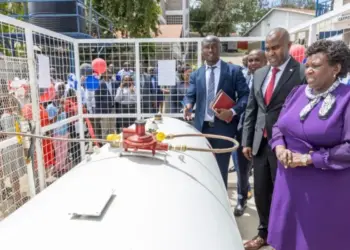
This will see schools install modern
technologies for cooking that are environmentally safe such as steam-based
cooking, biofuels, sustainable biomass and Liquid Petroleum Gas.
Speaking during the launch of the
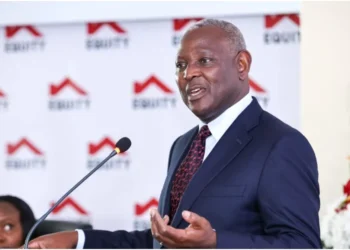
initiative at Alliance High School, Equity Group Managing Director James Mwangi
said the bank will provide financing for the equipment and other installation
costs based on the institution needs.
“Lack of appropriate financing
and innovative technologies has been the biggest barrier to clean energy transition.
To close this gap, we have decided to partner with learning institutions to
facilitate them access and install more environmentally friendly cooking and
lighting facilities,” said MD Mwangi.
Mwangi called on institutions and key
players in the economy to take note of the initiative and lead in protecting
the environment
“We decided to create a more
integrated programme to ensure trees would grow to maturity and not be used as
an energy source. For us to migrate from wood-based fuel solutions in our
institutions, we require a concerted effort from the management of the various
institutions, energy technology providers, end-users and government agencies. We
encourage institutions and organizations to take this route and lead the way so
that we can protect our environment. Equity will walk with you on this journey,”
he said.
Presiding over the launch, Education
Cabinet Secretary Prof George Magoha urged all learning institutions to follow
suit and embrace clean energy solution and save the country from environmental
degradation.
“My call today is for all
schools in Kenya to quickly follow suit and embrace clean energy solutions.
This will contribute to reversing environmental degradation, save costs and
improve health outcomes. If all schools switched to cleaner alternatives, we
will not only preserve our trees but will also significantly reduce our carbon
footprint,” said Prof. Magoha.
Equity is fully committed to ensuring
that all learning institutions realize the multiple benefits of modern and
clean energy.
Through the foundation, the bank has
also partnered with KFS and the Ministry of Environment and Forestry for
support on tree seedling requirements for different geo-ecological zones,
adoption of forest blocks that require rehabilitation and other logistical
support.
The company is committed to planting
35 million trees as part of its contribution towards the achievement of 10 per
cent forest cover, out of which 20 million will be planted in learning
institutions.
So far, Equity has planted 3.2 million
trees, 2 million of which have been planted in 2,133 schools across the
country.









Discussion about this post